

If you're shopping for new construction homes in Houston, the sticker price feels simple.
You see a $400,000 home. You estimate your down payment. You check a mortgage calculator. Then you assume the payment will work.
That estimate can miss several important costs.
Two $400,000 new builds can have very different monthly payments. One community may have a lower MUD rate, smaller lot premium, and stronger builder incentives. Another may carry higher taxes, bigger HOA dues, and fewer credits.
We want to help you budget for the home you will actually own. Here are five numbers worth calculating before you sign.
Number One: Your Payment Is More Than Principal and Interest
Your mortgage payment usually includes four main pieces:
- Principal
- Interest
- Property taxes
- Homeowners insurance
Your HOA dues may sit outside that payment. Your MUD or PID taxes may not appear in the builder’s advertised mortgage estimate either.
That creates a common problem. You compare two homes using principal and interest alone. The homes look identical financially.
They aren't.
A new home in one community might have a payment hundreds of dollars higher. The difference may come from taxes rather than the home price.
We recommend building your complete monthly budget before comparing floor plans. Our Houston affordability guide can help you start with the right framework.
Entry-Level New Construction Still Exists in Greater Houston
You don't need a $500,000 budget to explore new construction in 2026.
Greater Houston still has entry-level options in several outer communities:
- Homes in the $150s in Splendora
- Homes in the $200s in Hockley
- Homes in the $190s in Needville
- Homes around $240,000 to $280,000 in Katy, Rosenberg, and Fulshear
Builders such as D.R. Horton and Lennar remain active in these price ranges. The lowest advertised price usually reflects a specific floor plan, homesite, and incentive package.
Your final price may change with the lot, options, and financing. That’s why the monthly budget matters more than the starting headline.
Number Two: MUD and PID Taxes Can Change Your Monthly Payment
MUD and PID taxes sound complicated. The basic idea is simple.
A MUD, or Municipal Utility District, helps pay for water, sewer, drainage, and related infrastructure. A PID, or Public Improvement District, can help fund roads, landscaping, amenities, or other neighborhood improvements.
These districts collect taxes from property owners.
They often appear in newer Houston-area communities. Newer districts may start with higher rates while they pay down infrastructure bonds. Rates can decline over time, but you should budget using the current rate.
Harris County rates can reach approximately $1.50 per $100 of assessed value in some districts.
Here’s a simple example for a $450,000 home:
| District rate | Annual tax on $450,000 | Monthly escrow impact |
|---|---|---|
| $0.25 per $100 | $1,125 | About $94 |
| $0.85 per $100 | $3,825 | About $319 |
That difference equals roughly $225 every month.
Because your lender usually escrows property taxes, you feel that difference inside every mortgage payment. It isn't a once-a-year surprise. It becomes part of your regular housing cost.
These figures show one district rate for easy comparison. Your total tax bill may also include county, school district, city, emergency services, and other charges.
We always recommend checking the specific property’s taxing jurisdictions. You can review official Harris County tax-rate information through the Harris County Tax Assessor-Collector.

Number Three: Builder Incentives Can Be Worth $15,000 to $40,000
Builder incentives are one of the biggest budget opportunities in 2026.
As of September 2026, many incentives remain highly negotiable. Strong packages can provide $15,000 to $40,000 in value above published offers.
The value may come through several different departments. That means you can often stack multiple incentives.
Here are six important levers:
- Permanent rate reductions
- Temporary rate buydowns
- Closing cost credits
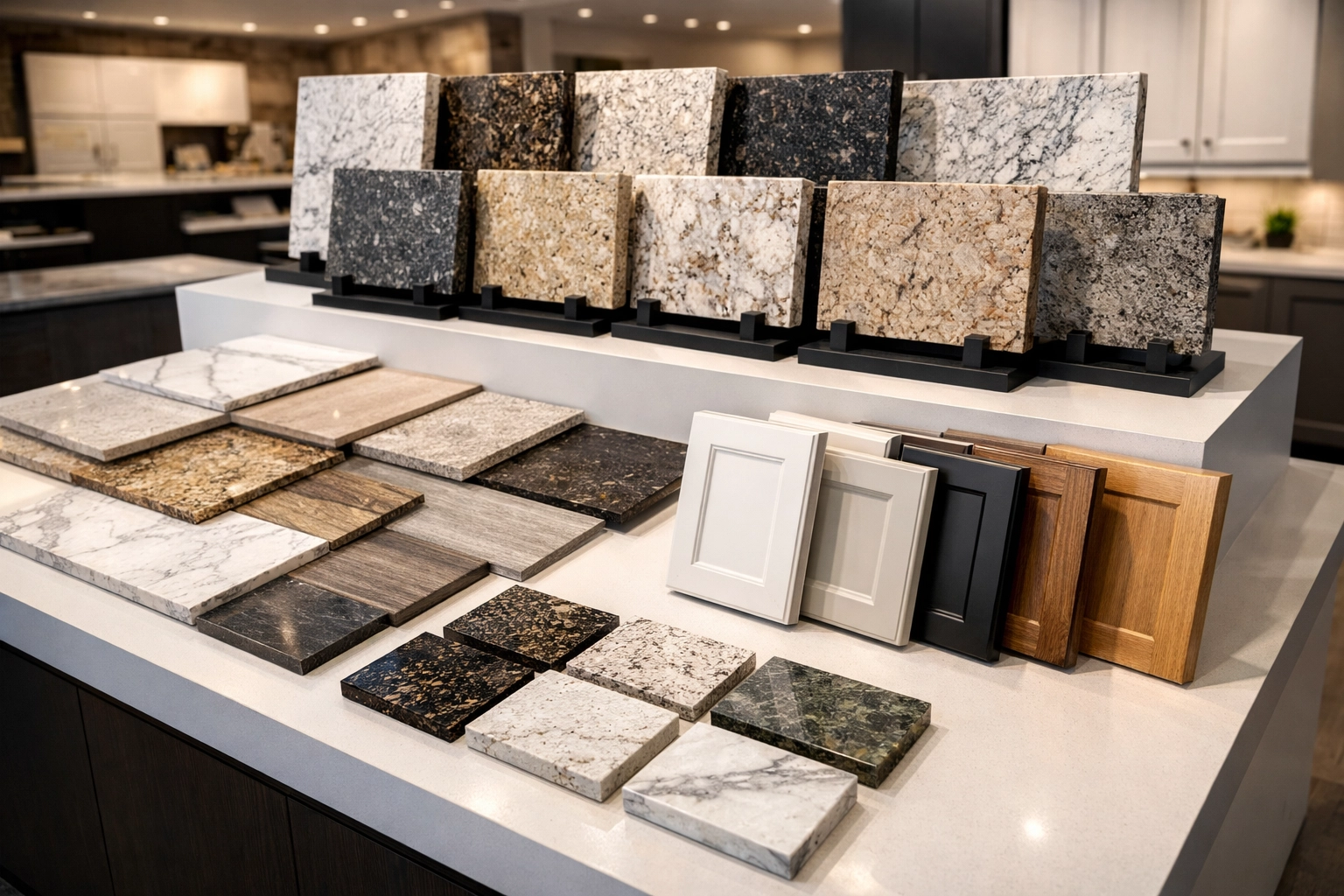
- Design center allowances
- Lot premium reductions
- Free structural options or builder-paid mortgage points
Some builders may also offer appliance packages, HOA credits, or quick-move-in discounts. The available combination depends on the builder, home, community phase, and closing timeline.
In many cases, incentives are capped around 3% to 6% of the purchase price. They may also require you to use the builder’s affiliated lender and title company.
The biggest negotiation windows usually arrive during:
- March, June, September, and December
- Quarter-end sales pushes
- Phase-end inventory releases
- Quick-move-in home promotions
Different incentives may come from sales, construction, design, and lending teams. We help you identify which offers can stack and which ones simply replace each other.
Our earlier guide to Houston builder incentives explains how these programs work in more detail.
Number Four: The Starting Rate May Not Be Your Long-Term Rate
A temporary buydown can make your first payments feel much easier. It doesn't always reduce your permanent loan rate.
A common example is a 2-1 buydown:
- Year one: Your rate is 2% below the note rate
- Year two: Your rate is 1% below the note rate
- Year three onward: Your regular note rate applies
Imagine a $400,000 loan with a permanent note rate of 6.5%. Your principal-and-interest payment might look roughly like this:
| Payment period | Illustrative rate | Approximate principal and interest |
|---|---|---|
| Year one | 4.5% | About $2,027 |
| Year two | 5.5% | About $2,271 |
| Year three onward | 6.5% | About $2,528 |
A 2-1 buydown can provide meaningful early relief. It may work well if you expect income growth or need extra cash during your move.
A permanent rate reduction lowers your interest rate for the full loan term. It may provide more value when you plan to keep the home for many years.
We compare the two using:
- Your expected time in the home
- Your available cash at closing
- Your future income plans
- The total buydown cost
- Your payment after taxes and insurance
- Your comfort with payment changes
The key question is simple: Can you comfortably afford the full payment after the temporary benefit ends?
Your future payment should include the permanent rate, full property taxes, insurance, HOA dues, and realistic utility costs.
Number Five: The Builder’s Preferred Lender Still Needs a Side-by-Side Comparison
The builder’s lender may offer the largest incentive. That doesn't automatically make it the cheapest loan.
The incentive can lose value through:
- A higher interest rate
- Origination charges
- Discount points
- Processing fees
- Higher lender fees
- Different loan terms
- Less favorable mortgage insurance
Ask for a formal Loan Estimate from the builder’s lender. Then request one from an independent lender.
Compare both estimates line by line. Focus on the first-year cost and the projected five-year cost. Also compare the permanent rate after any temporary promotion ends.
A $20,000 closing-cost credit sounds fantastic. But a higher rate can gradually absorb that savings.
We help you evaluate the incentive as part of the complete loan. We don't want you choosing the biggest headline number. We want you choosing the strongest overall deal.

Our New Construction Buyer Rebate Program Adds Another Layer of Savings
When you buy new construction, the builder typically pays the buyer’s agent commission.
At Hou.co, our New Construction Buyer Rebate Program returns a portion of that commission to you, subject to program terms and lender requirements.
That rebate can help offset:
- Closing costs
- Moving expenses
- Appliance purchases
- Window coverings
- Design upgrades
- Your initial escrow reserves
We also bring value beyond the rebate.
Our team helps you review the numbers before you visit communities. We register you properly with the builder. We compare incentive packages. We coordinate inspections. We attend walkthroughs.
We help hold the builder accountable for the home’s condition and completed work. New construction still deserves careful inspections and detailed final walkthroughs.
That gives you more confidence from contract to closing.
Let’s Calculate Your Real New Construction Budget
New construction can still offer incredible value across Greater Houston. You can find affordable homes, modern features, warranties, and strong builder incentives.
You just need to budget beyond the base price.
Before you move forward, calculate:
- Your complete monthly payment
- The community’s MUD and PID taxes
- The net value of every builder incentive
- Your permanent payment after any buydown
- The true cost of the preferred lender’s loan
We can help you compare communities, builders, financing options, and rebate opportunities.
Contact Hou.co for a free consultation before you visit a model home. We’ll help you find a fantastic new build that fits your life and your budget.