
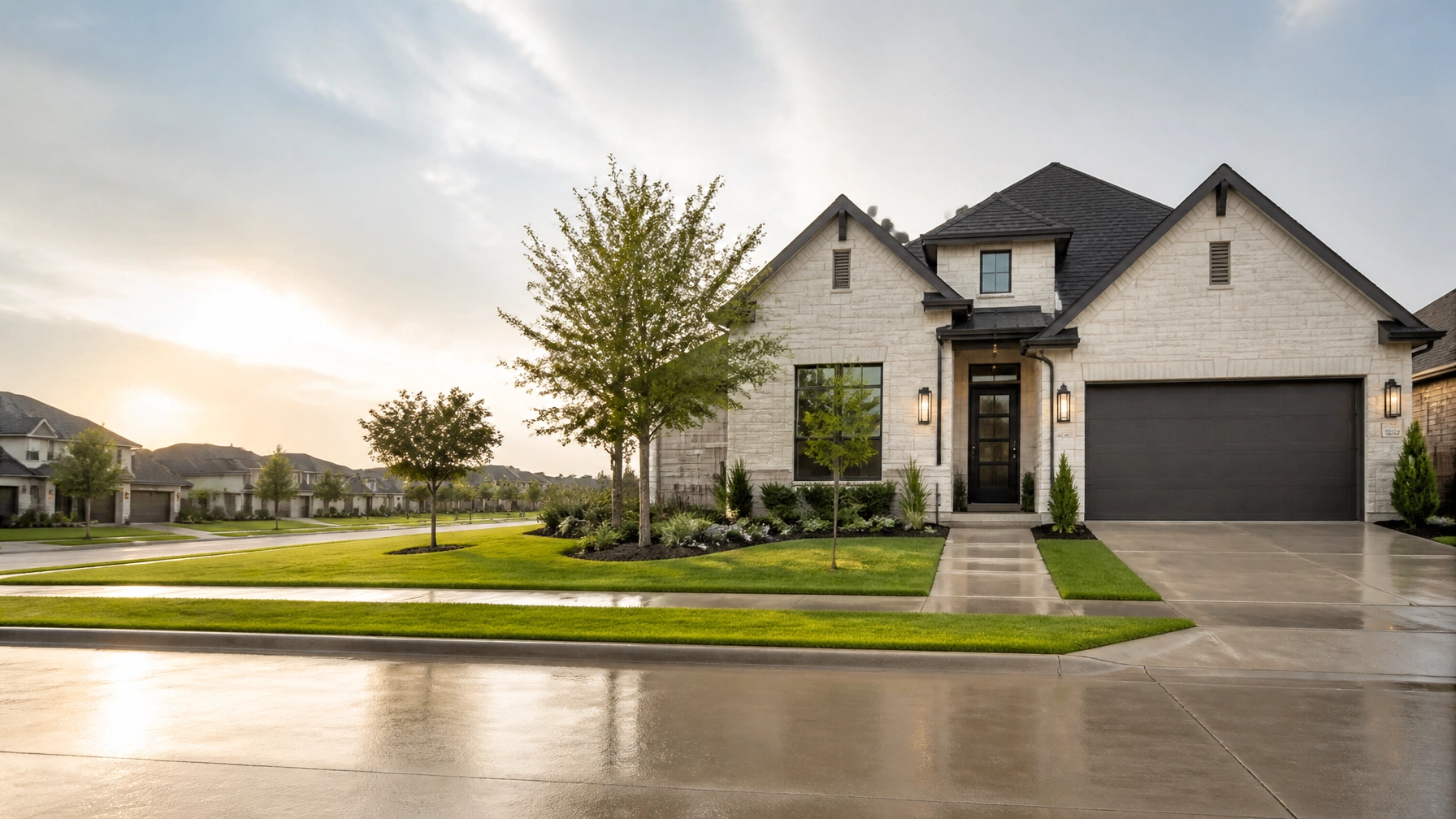
Buying a house in Houston is exciting. Flood risk can make the process feel complicated.
We want to make it easier for you.
Houston’s heavy rainfall, bayous, flat terrain, and fast-growing neighborhoods create unique concerns. A home outside a high-risk flood zone can still experience flooding. A home inside a mapped flood zone can still be a smart purchase.
The key is knowing what to check before you make an offer.
Here’s what you need to know about Houston flood zones and insurance in 2026.
Flood zones show risk, not certainty
FEMA flood maps estimate a property’s risk from certain types of flooding. They don’t predict every flooding event.
The common Houston zones include:
- Zone AE or A: High-risk area with a 1% annual chance of flooding.
- Zone V or VE: High-risk coastal areas with wave action.
- Shaded Zone X: Moderate risk between the 100-year and 500-year floodplains.
- Unshaded Zone X: Lower mapped risk outside the 500-year floodplain.
- Floodway: An area needed to carry floodwaters safely.
The term “100-year floodplain” can sound misleading. It doesn’t mean flooding happens once every 100 years. It means the area has a 1% chance of flooding in any given year.
A Zone X property also isn’t flood-proof. Houston storms can overwhelm streets, drainage systems, and neighborhood detention areas. Local flooding can happen outside FEMA’s high-risk zones.
That’s why we review more than one map with you.
Check the current FEMA map first
Start with FEMA’s Flood Map Service Center. It provides the official effective flood maps for your property.
Enter the home’s full address. Then record the current zone designation.
This map matters because lenders use effective FEMA maps for flood insurance requirements. If your home sits in a Special Flood Hazard Area, your lender will usually require flood insurance with a federally backed mortgage.
Special Flood Hazard Areas generally include:
- Zones A and AE
- Zones AH, AO, and AR
- Zones V and VE
- Other related high-risk designations
Your lender will make the final determination for your loan. We still recommend checking the map before you submit an offer.
Review Houston’s local flood information
FEMA maps provide important information. Local tools can add helpful context.
Use the Harris County Flood Warning System to review nearby watersheds, channels, rainfall data, and inundation information. The system also shows monitoring locations across the region.
You should also review the Harris County Flood Control District’s local mapping resources. Look for:
- Nearby bayous, creeks, or drainage channels
- Street and neighborhood flooding history
- Watershed boundaries
- Detention ponds and drainage infrastructure
- Elevation differences between the home and nearby roads
We don’t treat a map as the entire story. We also ask questions during showings.
Look for water stains, recently replaced flooring, raised electrical equipment, unusual grading, or drainage improvements. None of these prove past flooding. They do give you useful questions to ask.

Understand the 2026 draft MAAPnext maps
Houston and Harris County are reviewing updated flood-risk information in 2026. The draft maps use newer rainfall data, elevation information, and updated flood modeling.
You can explore the draft information through the MAAPnext website.
There’s one important distinction.
The 2026 MAAPnext maps are draft maps. They are not final. They are not regulatory. They do not currently change your lender’s flood insurance requirements.
For now, your official flood zone comes from the current effective FEMA map.
The draft maps still matter for your long-term planning. Compare the current map with the draft view. Ask yourself:
- Is the property staying in the same zone?
- Does the draft map show higher potential risk?
- Could future insurance costs change?
- Could resale become more difficult later?
- Does the property need additional flood protection?
The final map process can take years. FEMA must complete review, publish preliminary maps, allow formal appeals, and establish an effective date.
We recommend treating draft maps as a planning tool. Don’t treat them as a final insurance decision.
Homeowners insurance usually doesn’t cover flooding
This is one of the most important points for you.
Standard Texas homeowners insurance generally doesn’t cover damage from rising floodwater. The Texas Department of Insurance recommends a separate flood policy for flood protection.
Flood insurance may come through:
- The National Flood Insurance Program
- A private flood insurance company
- An insurance agent who compares available options
Your homeowners policy and flood policy serve different purposes. Ask your insurance professional to explain both policies together.
Flood insurance can help cover eligible damage to the building and belongings. Coverage limits, deductibles, exclusions, and settlement rules vary.
You should ask about:
- Structure coverage
- Contents coverage
- Foundation and mechanical systems
- Temporary living expenses
- Detached structures
- Personal property limits
- Flood-specific deductibles
- Exclusions and coverage gaps
Never assume your homeowners policy covers everything after a major storm. Get the answer in writing before closing.
Know when flood insurance is required
If your home is in a high-risk FEMA flood zone, a federally regulated lender will generally require flood insurance.
That requirement doesn’t mean insurance is unnecessary in Zone X.
Houston buyers often choose flood insurance even when their lender doesn’t require it. Coverage can provide financial protection when a storm exceeds expectations.
The National Flood Insurance Program explains that flood insurance is separate from standard homeowners insurance. You can also request a custom flood insurance quote before making an offer.
That quote helps you budget accurately. It also helps you compare homes fairly.
A lower-priced home may not be cheaper after you add:
- Flood insurance
- Higher deductibles
- Drainage improvements
- Foundation work
- Utility relocation
- Future resale concerns

Plan for the flood insurance waiting period
Many flood insurance policies have a 30-day waiting period before coverage begins.
Mortgage-related purchases can have exceptions. Map changes can also create different waiting-period rules.
The safest approach is simple. Start the quote process early.
Don’t wait until the day before closing. Ask your insurance agent:
- When will coverage begin?
- Does this policy have a waiting period?
- What exception applies to my purchase?
- What documents does the lender need?
- When must I pay the premium?
- Does the policy cover the replacement cost or actual cash value?
Your lender, insurance agent, and title company can coordinate the timing. We help keep those conversations moving.
Ask for the home’s flood history
Your offer should include proper due diligence. Flood history belongs in that review.
Ask the seller for available information about:
- Previous flooding
- Flood insurance claims
- FEMA assistance
- Repairs after major storms
- Existing elevation certificates
- Drainage or grading work
- Foundation repairs
- Mold remediation
- Raised HVAC or electrical equipment
An Elevation Certificate shows information about the home’s elevation compared with the expected flood level. It may help an insurance professional evaluate the property.
It isn’t required for every flood policy. It can still provide valuable information.
You should also hire a qualified home inspector. Ask the inspector to focus on drainage, foundation conditions, water intrusion, grading, and signs of past repairs.
Use flood risk during offer negotiations
Flood risk doesn’t automatically mean you should walk away. It does mean you should understand the full cost.
We help you evaluate:
- Current flood zone requirements
- Insurance quotes
- Deductibles
- Past claims
- Needed improvements
- Draft map changes
- Future resale considerations
You may negotiate based on documented costs. You may request repairs or credits. You may adjust your offer price.
Your inspection and financing deadlines also matter. Make sure your contract gives you enough time to investigate insurance and flood-related concerns.
A knowledgeable Houston realtor can help you identify questions early. We can also connect you with trusted inspectors, lenders, and insurance professionals.

A simple Houston flood-risk checklist
Before you buy, complete these steps:
- Check the address on the FEMA Flood Map Service Center.
- Review local information through the Harris County Flood Warning System.
- Compare current maps with the 2026 MAAPnext draft maps.
- Request homeowners and flood insurance quotes.
- Confirm the policy’s waiting period and coverage details.
- Ask for flood claims and repair records.
- Request an elevation certificate if available.
- Schedule a detailed home inspection.
- Estimate insurance and mitigation costs over ten years.
- Include flood risk in your offer strategy.
Buy with a clear plan
Buying a house in Houston should feel exciting. You shouldn’t have to guess about flood risk.
We’ll help you review the property, ask better questions, and understand your total costs. We’ll also help you compare neighborhoods with confidence.
Our team knows Houston’s market inside out. We understand local neighborhoods, new construction, relocation needs, and the details that affect your purchase.
You can also explore our guides to Houston neighborhoods for homebuyers, moving to Houston, and why working with a Houston real estate agent helps.
Ready to start your search? Contact Hou.co for a free, friendly consultation. We’ll help you make a smart move with fewer surprises.
This article provides general educational information. Flood maps, insurance requirements, premiums, and coverage can change. Confirm property-specific details with your lender, insurance professional, inspector, and appropriate government agencies.