

If you’re moving to Houston, your budget can stretch farther in 2026.
You can find more space, newer homes, and growing communities. You can also negotiate more confidently than buyers could recently.
The key is choosing the right area. You want affordability today and potential value tomorrow.
We’ve highlighted seven Houston-area options worth exploring. Each offers a different balance of price, commute, land, amenities, and growth.
Why 2026 Gives Houston Buyers More Leverage
Houston’s housing market has changed quickly.
As of July 2026, the market had approximately:
- 40,750 active listings
- 5.5 months of housing supply
- A median single-family home price near $340,000
- An average of about 53 days on market
That inventory level is reportedly an all-time high. You can review the latest details in Houston Agent Magazine’s July 2026 market update.
This doesn’t mean every seller will accept a low offer. Strong homes still attract attention. However, you have more choices and more negotiating room.
You may be able to negotiate:
- Repairs after the inspection
- Closing cost contributions
- Mortgage rate buy-downs
- Home warranties
- Price reductions
- Builder upgrades
- Lot premium discounts
That makes 2026 a practical year for buying a house in Houston. You can shop carefully instead of rushing into the first available home.

1. Huffman: More Space Near Lake Houston
Huffman offers a quieter lifestyle northeast of Houston.
You’ll find a more rural setting, larger lots, and access to Lake Houston. Home prices can compare favorably with more established suburbs. You may also get more land for your budget.
Huffman could fit you if you want:
- A slower pace
- More outdoor space
- A semi-rural atmosphere
- Access to northeast Houston
- Lower entry prices than many master-planned suburbs
You should plan carefully for the commute. Downtown, the Medical Center, and west-side job centers are not close.
You should also review flood history carefully. Lake proximity and drainage patterns can vary significantly from one property to another.
We recommend checking the exact address through FEMA’s flood map service. You should also request insurance quotes before making an offer.
2. Brookshire: West-of-Katy Value
Brookshire sits west of Katy along the I-10 corridor.
You can often find more land and lower entry prices here than in Katy proper. The area still feels more open and agricultural. At the same time, West Houston growth continues moving outward.
Brookshire may work well if you want:
- A larger lot
- Newer construction
- Access to I-10
- Proximity to Katy and West Houston
- Earlier-stage growth potential
You should understand the tradeoff. Shopping, restaurants, and daily services may require a longer drive.
Your commute can also change dramatically during peak hours. We recommend testing your route before choosing a home. A 30-minute off-peak drive may become much longer during rush hour.
3. Waller: Strong Growth Along the Northwest Corridor
Waller continues attracting attention from value-focused buyers.
The area benefits from new construction, open land, and continued northwest expansion. You can often find more attainable homes than in Katy, Cypress, or The Woodlands.
Waller could be a strong match if you want:
- A lower purchase price
- New construction options
- More room around your home
- Access to US 290
- Long-term growth potential
You should expect a longer commute to central Houston. Waller makes more sense if you work northwest or work remotely.
We also recommend comparing builder incentives carefully. A lower price may not be the best deal if the builder offers fewer upgrades or financing incentives.
4. Crosby: Budget-Friendly New Construction
Crosby gives buyers another affordable option east of Houston.
Several new communities offer modern floor plans. Some new construction has entered the high-$200,000s, depending on the builder, size, and incentives.
You may like Crosby if you want:
- A lower-priced new home
- Modern layouts
- A small-town feel
- Access to northeast Houston
- More home for your money
Crosby’s location can create a longer commute to west and southwest employment centers. You’ll also want to compare infrastructure, retail access, and school assignments for each community.
Flood risk deserves attention here, too. You should review drainage, elevation, insurance costs, and prior claims for every property.
5. Manvel and Meridiana: South-Side Growth With Amenities
The Manvel area continues benefiting from growth along the SH-288 corridor.
Meridiana offers a master-planned community setting. You can find parks, trails, pools, and newer homes. The broader area also benefits from expansion near Iowa Colony, Pearland, and the growing south side.
This area may fit you if you want:
- New construction
- Planned community amenities
- More attainable prices than Pearland
- Access toward Houston and the Texas Gulf Coast
- Long-term growth potential
You’ll want to compare the exact community, not just the city name. Taxes, builder offerings, schools, and commute times can differ significantly.
Your work location matters here. Manvel may serve you well if you commute toward the Medical Center, Pearland, or south Houston. Downtown and west Houston commutes may take more planning.
If you’re considering a new build, review Hou.co’s guide to new construction builder incentives. Builder credits can change your total cost substantially.
6. Magnolia and the FM 1488 West Corridor
Magnolia and FM 1488 West offer land, newer communities, and a slower lifestyle.
You can often find more space here than in closer-in northwest suburbs. The corridor also continues attracting master-planned development and new retail.
Magnolia may suit you if you want:
- A quieter environment
- Larger homesites
- New construction
- Access to Montgomery and The Woodlands
- Long-term growth potential
The farther west you go, the more important your commute becomes. You should map your route during actual work hours.
You should also separate marketing from measurable value. Compare taxes, insurance, HOA fees, amenities, and nearby infrastructure. A community with impressive amenities may still carry higher monthly costs.
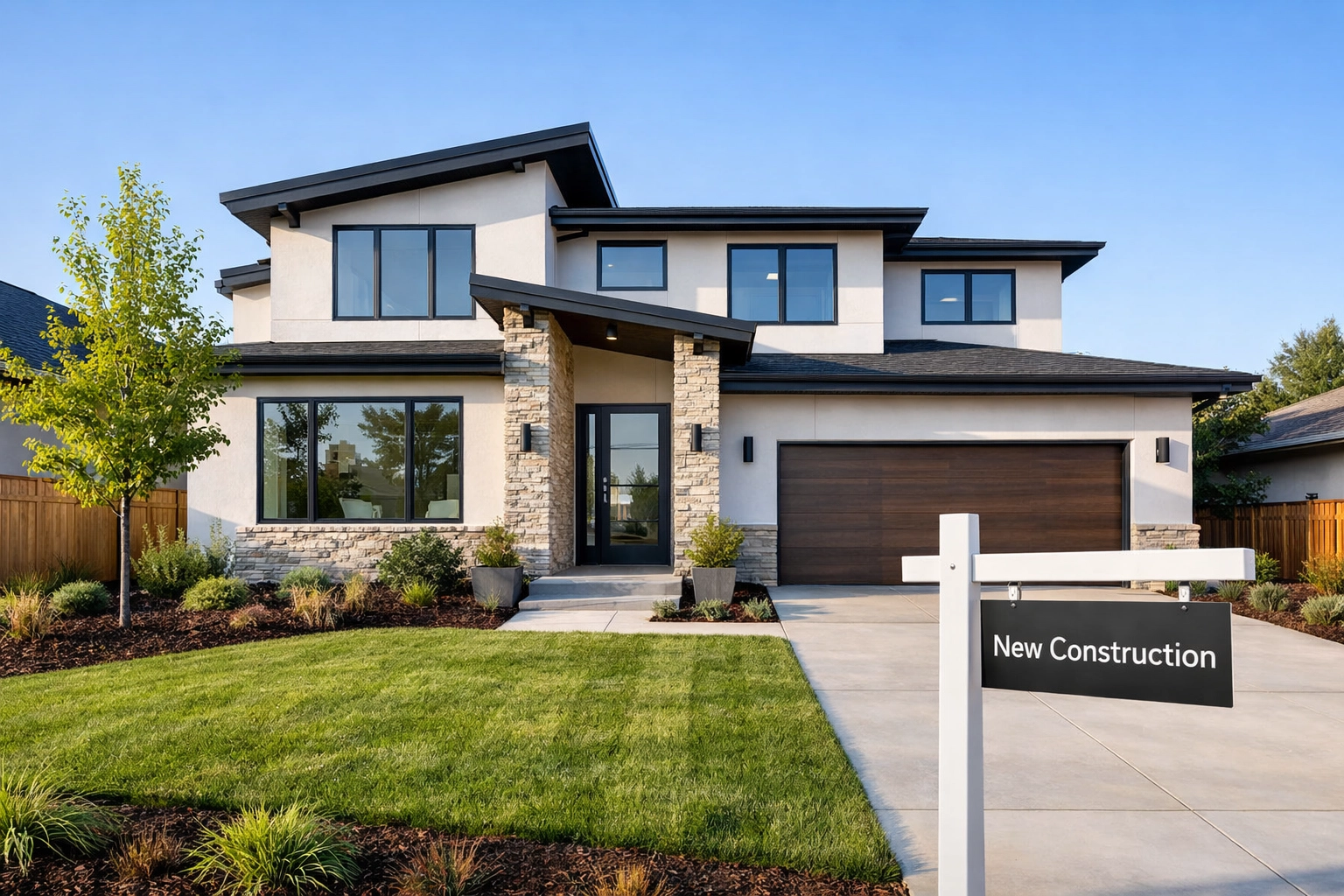
7. Katy and Sugar Land: Established Value Picks With Tax Differences
Katy and Sugar Land aren’t early-stage suburbs. They already have established schools, amenities, employers, and resale demand.
They can still offer value when you compare the total purchase cost.
Katy
Katy gives you extensive shopping, schools, parks, and master-planned communities. It remains especially convenient for Energy Corridor and West Houston commuters.
However, you must review property taxes carefully. Katy spans Harris, Fort Bend, and Waller counties. Newer communities may also include higher MUD taxes.
A MUD, or Municipal Utility District, helps fund local water and infrastructure systems. Its tax rate can add significantly to your annual housing costs.
Older Katy neighborhoods may have more mature MUDs. Newer communities may carry higher rates while infrastructure bonds remain outstanding.
Sugar Land
Sugar Land offers established neighborhoods, mature amenities, and access toward the Medical Center and southwest Houston.
Many areas have more mature MUD structures. Some may carry lower rates than newer Katy communities. You still need to verify each address.
Before buying, we recommend reviewing:
- County and school district taxes
- MUD and PID charges
- HOA dues
- Insurance premiums
- Flood history
- Commute tolls
- Future assessments
Two homes with the same price can have very different monthly payments. We’ll help you compare the full cost, not just the listing price.
Bonus Inner-Loop Option: Independence Heights
If you want a more central location, consider Independence Heights.
This historic area sits north of downtown and near the Heights. You may find older homes, redevelopment, and more accessible entry points than in some premium inner-loop neighborhoods.
Independence Heights may fit you if you value:
- A shorter commute
- Central Houston access
- Older homes with character
- Lot potential
- Proximity to the Heights and downtown
You should inspect older properties carefully. Renovation costs, drainage, foundation conditions, and insurance can change the value equation.
You may pay more per square foot than in outer-ring suburbs. You may also save time and transportation costs every week.
How to Choose the Right Houston Area
The best neighborhoods in Houston depend on your daily priorities.
We recommend comparing each area across five categories:
- Purchase price: What fits your current budget?
- Monthly cost: What will taxes, insurance, HOA, and MUD fees add?
- Commute: How long will your actual rush-hour drive take?
- Future growth: What infrastructure and development are planned?
- Property risk: What do flood maps, inspections, and insurance quotes show?
You should never choose a suburb based on price alone. A cheaper home may create higher transportation or insurance costs.
You should also avoid assuming that new construction eliminates risk. New homes still require inspections, flood research, and contract review.

Let Hou.co Help You Compare Your Options
Our team knows Houston’s neighborhoods, suburbs, builders, and growth corridors.
We’ll help you compare homes based on your complete goals. We’ll review pricing, taxes, commute patterns, flood considerations, and resale potential.
We also provide a New Construction Buyer Rebate Program. You may receive a portion of our commission back when you purchase an eligible new construction home.
If you’re relocating, our Relocation Assistance can make your move easier. We can coordinate remote tours, neighborhood research, and local guidance before you arrive.
You can also explore our ultimate moving to Houston guide or compare more areas in our guide to the best neighborhoods in Houston for homebuyers.
Ready to find where your dollar goes further?
Contact Hou.co for a free consultation. We’ll help you build a smart Houston home-buying plan with friendly, local expertise.